When it comes to heating and plumbing systems, piping is one of the most essential components. However, not every project is designed the same; installation will have to be customised to fit. Therefore, the integrity of pipework connections is essential. Among different types of pipe materials, copper is still one of the most trusted materials in both residential and commercial plumbing. It is durable, heat-resistant and reliable for both hot and cold water lines.
Whether you are preparing to repair a leak, extend a line, or upgrade an outdated copper system, learning how to cut and connect copper pipe fittings correctly is essential. In this guide, we will include the basic information you might need when working with copper pipes and fittings. If you are ready for a repair or upgrade, PlumbingSell offers a wide selection of copper fittings and plumbing supplies to help you get the job done with confidence.
Why Copper Pipe and Fittings Are Still Popular
Even with newer plumbing materials on the market, such as PEX and CPVC, copper pipe and fittings still remain a go-to choice for many homeowners and professional plumbers. They are known for their durability, corrosion resistance, and longevity. It is capable of handling both hot and cold water well, resists heat better than many plastic alternatives, and when installed properly, it can last for decades.
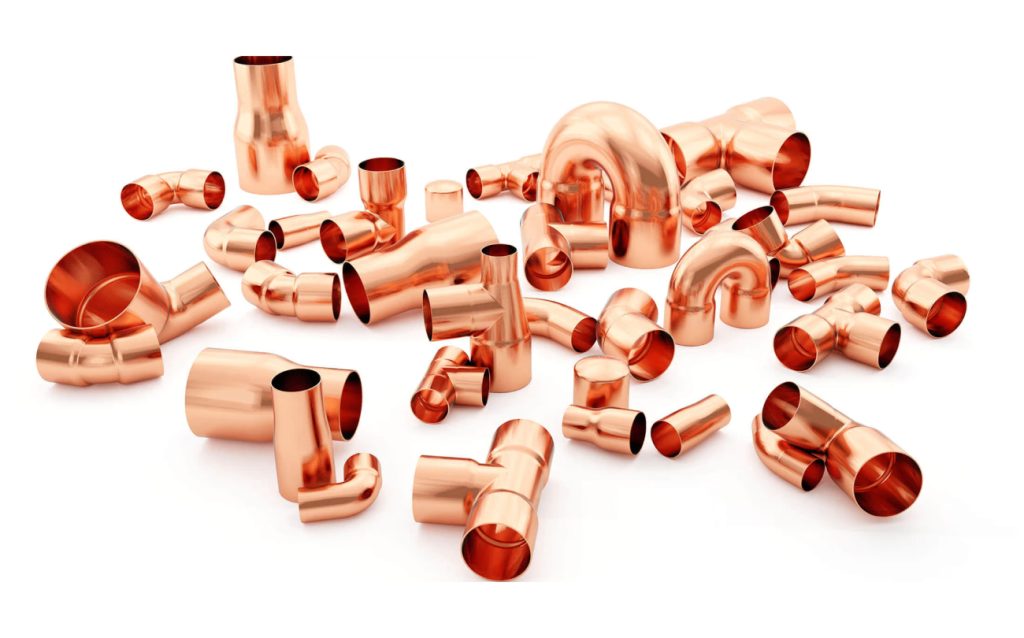
Another reason that copper pipe and fittings are still widely used is their versatility. Copper works across a broad range of residential and commercial plumbing repair and renovation projects. If you’ve started browsing through a comprehensive copper pipe fittings catalogue, you’ll quickly realise just how versatile this material is. The significant market demand has made copper fittings available in various sizes and shapes to adapt to different layouts and functions.
Tools You Need to Cut Copper Pipe
Before you can join two pieces of pipe, you need to cut them to the right size properly. A copper pipe cutter makes cutting copper pipe easy and clean. A clean cut helps the fitting seat correctly, improves the seal and reduces the chance of future leaks. For most common repair or renovation jobs, you’ll just need to grab a copper tubing cutter, measuring tape, marker, deburring tool and some emery cloth if applicable.
Simply hand-tighten the pipe cutter onto the mark where you want to trim the pipe, then rotate the cutter around a couple of times to create a groove around the outside. Tighten the blade a little each time you rotate the cutter; it will cut the pipe deeper, creating a perfectly straight seam. It is important to remove any burrs inside the pipe with the burr removal tool after cutting.
Choose the Right Copper Pipe Connectors
There are several different ways to join copper pipes, including soldering, compression fittings, push-fit fittings, and press fittings. This is often where many homeowners pause, because each type of fitting suits a slightly different need. Understanding the main options will make it much easier to shop confidently.
Soldered Copper Fittings
Soldering, also known as sweating, is the traditional way to connect copper plumbing. Heat is applied to a joint between two copper parts. The filler metal flows into the joint and creates a watertight seal. Properly installed, soldered fittings offer a strong and long-term connection for residential water systems. Soldering takes more time and skill than other methods. Still, many professionals prefer it for permanent work due to its cost-effectiveness, reliability, and clean appearance.
Copper Pipe Compression Fittings
Compression fittings are a simpler installation method, yet still reliable and straightforward for joining copper pipes without welding or soldering. These fittings use a compression nut and ring to create a watertight seal around the pipe. The ease of installation makes them especially useful for smaller repair jobs, fixture connections, or areas where using an open flame would be inconvenient or risky.
Copper Push-Fit Fittings
For homeowners who want a faster and simpler installation method, copper pipe push-fit fittings are one of the most convenient options available. They are designed to connect quickly without solder, glue or special crimping tools. Once the copper pipe is cut cleanly and deburred, the pipe can be pushed directly into the fitting until it locks securely in place. The ease of use makes push-fit fittings especially appealing for DIY repairs, emergency fixes, and projects where working with a torch is not practical.
Copper Press Fittings
Copper press fittings are popular for both professional plumbing and DIY homeowners when they require a durable, modern installation method. It is a combination of both speed and secure connection. Instead of using heat, solder press fittings are installed with a press tool that compresses the fitting onto the pipe. This creates a strong joint with less installation time while maintaining a high level of durability. For experienced installers, copper press systems can significantly improve their efficiency without sacrificing time and performance.
Fitting for PEX and Copper
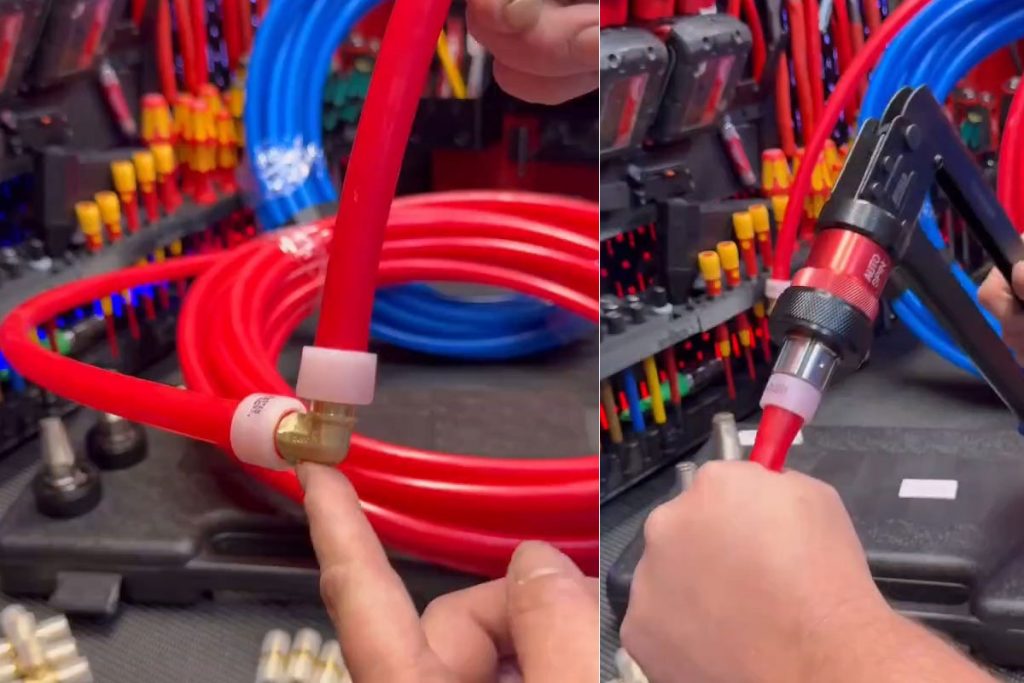
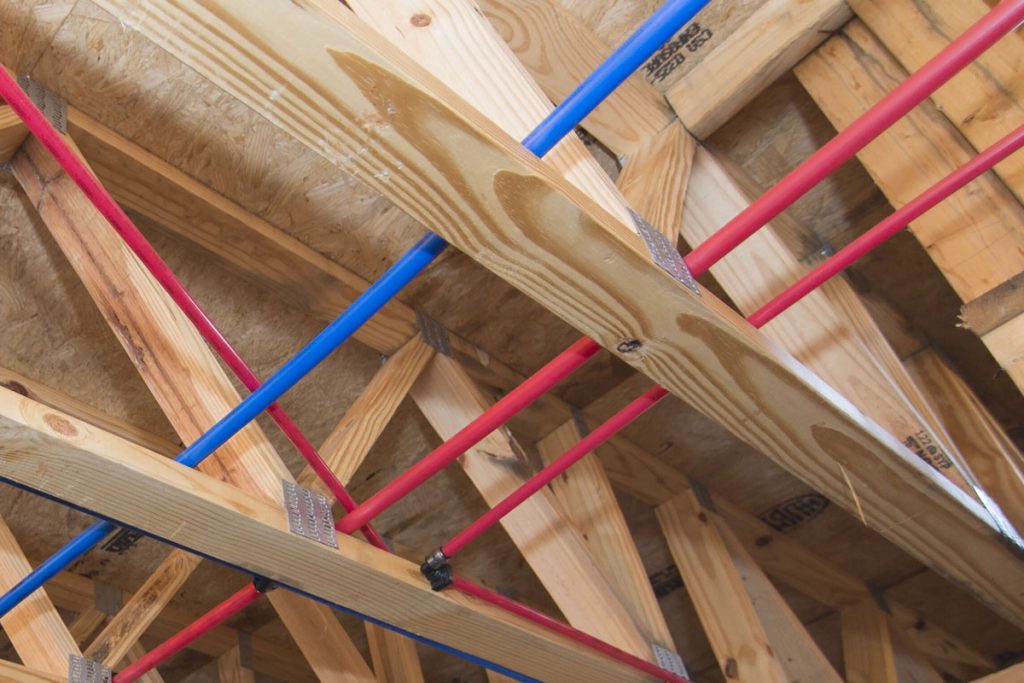
In many home renovation projects, the plumbing system is not entirely copper or entirely PEX. Older homes often have existing copper lines, while newer additions or repairs may use PEX pipes because of their flexibility, cost-effectiveness and ease of installation. This is where a transition fitting for PEX and copper becomes essential.
The transition fittings for PEX and copper are available in several styles, such as push-fit transition fittings and press adapters. The right fitting for PEX and copper depends on the pipe size, the connection method you are using and whether the installation is a small repair or a large renovation. For those who are just updating part of an older plumbing system rather than replacing everything at once, the transition fittings are a practical and budget-friendly solution. They make it possible to combine the proven durability of copper with the flexibility of PEX.
Conclusion
Learning how to cut and connect copper pipe fittings comes down to using the right tools, choosing the right connection method and taking the time to prepare each component properly. Whether you prefer traditional soldered joints, modern push-fit or press fittings, or need a transition fitting for PEX and copper, understanding the basics will help you achieve a secure and long-lasting result.
For homeowners, it is important to keep in mind that although copper might still remain a dependable choice for both plumbing repairs and renovations due to its durability and versatility across a wide range of applications, PEX systems are becoming more popular. When you are ready to source the reliable copper or PEX pipe and fittings for your next project, PlumbingSell makes it easier for you to find the right products for your job.