Choosing the right plumbing material for your home has a significant impact on both safety and durability. If you’ve done some research about the materials, you’ve likely noticed one thing: PEX is everywhere. Contractors recommend it, and DIY homeowners are increasingly opting for it for their renovations. This naturally leads to the big question–how reliable is PEX plumbing?
PEX tubing has become the go-to form for many homeowners and professional plumbers, although there are a lot of advantages of this material, the downsides need to be considered as well. In this blog, we’ll break down the reality behind the PEX plumbing, so you can make an informed decision. If you’re considering upgrading or installing a new plumbing system, explore quality PEX products and fittings at PlumbingSell to ensure your project starts with reliable materials.
What Is PEX Plumbing?
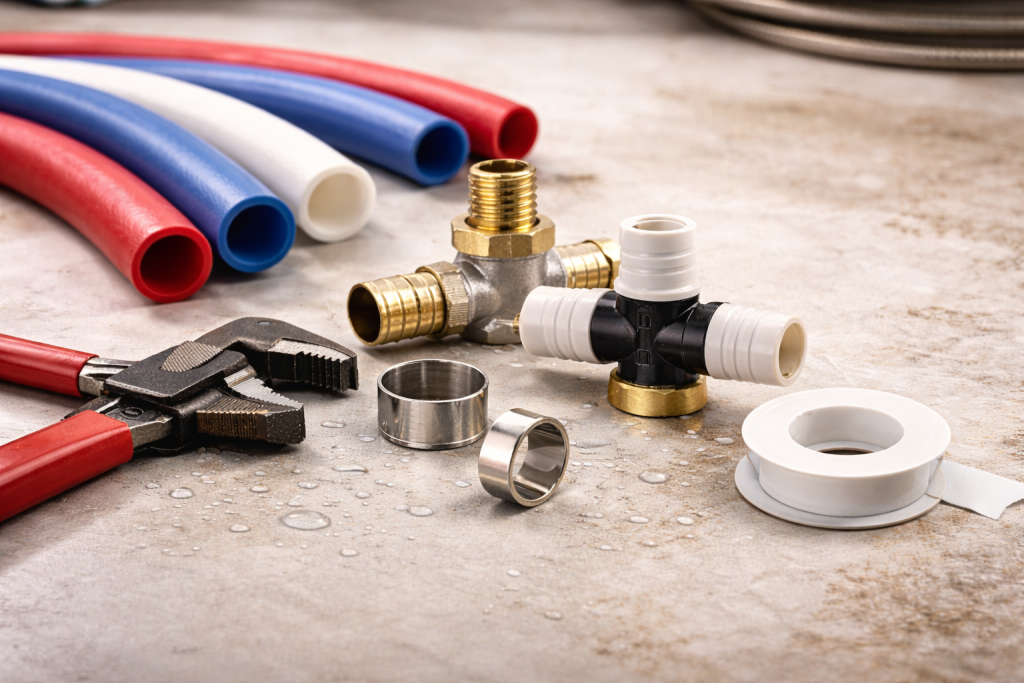
PEX plumbing refers to a flexible cross-linked polyethylene plastic pipe designed for hot and cold water distribution in residential and light commercial buildings. It is popular because of its flexibility and durability. Compared with rigid metal pipes, PEX pipes use a polymer material that is chemically cross-linked and has improved strength, temperature resistance and durability.
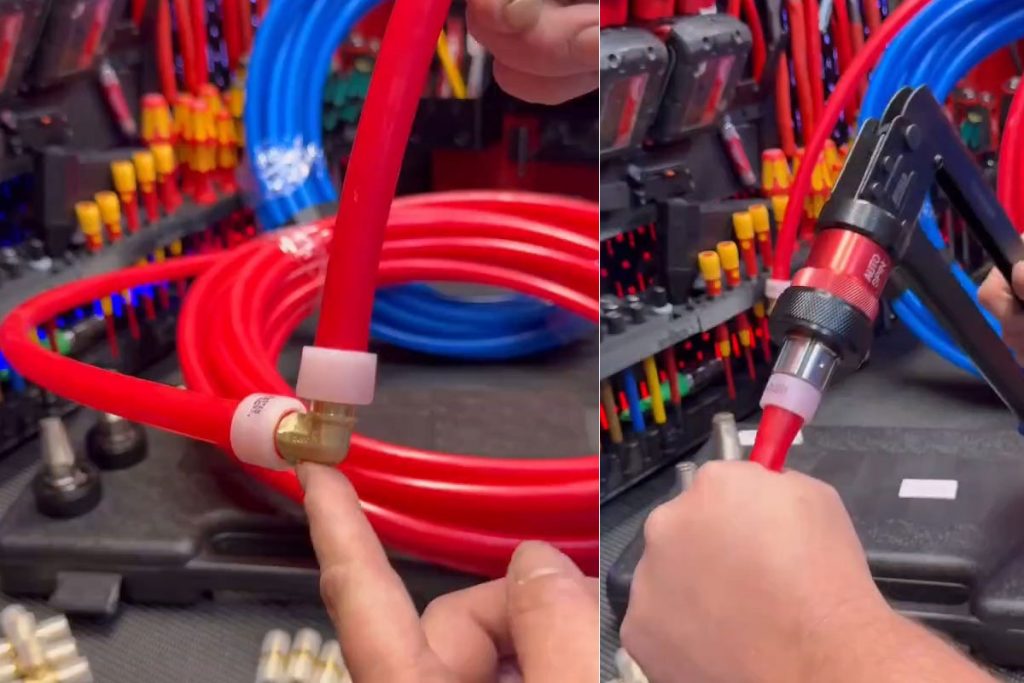
PEX plumbing often comes in three types, PEX-A, PEX-B and PEX-C, each manufactured differently with their own pros and cons (difference between xxx pipes). The most popular ones are PEX-A and PEX-B; they tend to be more flexible, especially PEX-A pipes. They can bend around corners, reducing the number of fittings required. Fewer joints typically mean fewer potential leak points, which is another reason PEX systems have become so popular.
Why Are PEX Pipes So Common?
One of the main reasons PEX pipes have become so common in modern homes is their balance of performance, flexibility and affordability. As we’ve mentioned before, PEX is a flexible plastic pipe designed for hot and cold water distribution. Both builders and homeowners favor PEX because it is lightweight, easy to transport and faster to install, which lowers overall labor costs. We’ll discuss the advantages of PEX plumbing in detail below.
Durability and Longevity
PEX plumbing systems are generally rated to last several decades under normal residential conditions. The material does not corrode like copper or other metal materials and is not prone to pinhole leaks caused by electrolysis. It can also tolerate freezing conditions better than rigid piping, and it has the ability to expand slightly under pressure rather than cracking immediately.
However, durability depends heavily on proper installation and environmental protection. PEX should not be exposed to prolonged UV light, as sunlight can degrade the material over time. Overall, PEX pipes are a durable choice with proper installation and a trusted brand, such as EFIELD.
Health and Safety Concerns
Health and safety discussions around PEX pipes typically focus on water quality and environmental impact. Modern PEX products used for potable water must meet strict certification standards, such as NSF/ANSI 61, for drinking water safety.
Concerns about chemical leaching have been studied extensively, and approved PEX products are regulated to ensure compliance with safety standards. Some homeowners report temporary odors when a new PEX system is first installed, but these usually dissipate after flushing the system a couple of times.
Cost and Installation
Cost is one of the most important factors that make PEX widespread. Both material and labor expenses are generally lower compared to rigid material installations. PEX’s flexibility allows it to run longer continuous lines with fewer fittings, reducing both material use and potential failure points. When comparing PEX A vs PEX B pipes, both offer reliable performance when installed properly, though PEX A is typically more flexible and uses expansion fittings; PEX B pipes are more affordable.
When considering renovation, affordability becomes a key factor. PEX is often viewed as a cost-effective option, allowing homeowners to allocate resources to other areas of the house. Its ease of installation has also made it a DIY friendly material. For future maintenance, homeowners can replace pipes easily without specialized tools or extensive fittings.
Specific Applications and Considerations
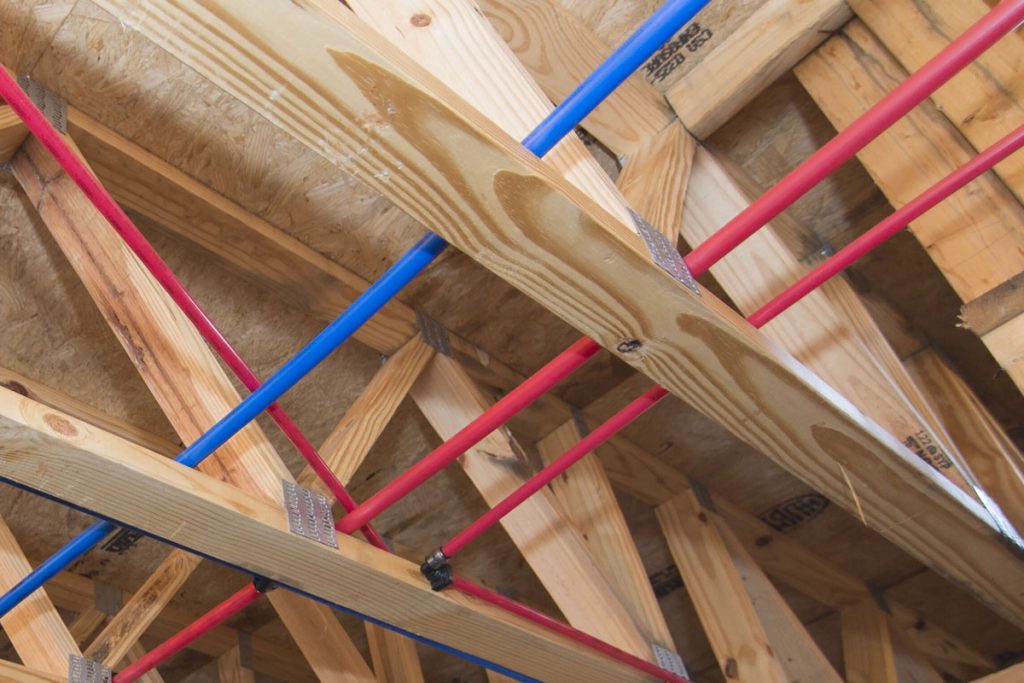
PEX is mostly used for interior water supply lines in residential properties. It is also widely used in radiant floor heating systems because of its ability to handle temperature fluctuations. PEX pipes can conform to different floor layouts, making installation faster and reducing labor costs, which allow effiecient heat distribution in the system and provides even heating. However, it is important to make sure to choose the material rated for higher temperatures when selecting PEX for this purpose.
However, there are important application considerations. PEX pipes should not be used in direct sunlight or exposed to outdoor conditions without proper protection. Although they may not be suitable for certain exterior uses, PEX perform well in most interior applications. Understanding where and how they should be used ensures the material performs reliably over its intended lifespan.
Downsides and Common Problems with PEX Plumbing
While PEX plumbing is widely used in modern construction, it is not without limitations. Understanding the potential downsides helps homeowners avoid preventable issues. Like any plumbing material, PEX performs best when installed correctly and used within its intended applications.
One of the most commonly discussed disadvantages of PEX pipes is their sensitivity to UV light. PEX should not be exposed to direct sunlight for extended periods, as UV radiation can degrade the material over time. This makes them not suitable for exposed exterior installations.
Another concern often raised is rodent damage. As PEX is a flexible plastic material, rodents can potentially chew through it if they gain access. While the risk is not unique to PEX, it is still something that should be considered when choosing material, especially in areas with known pest issues.
Environmental concerns are another topic of debate. Questions like “why is PEX plumbing bad for the environment?” stem from the fact that PEX is petroleum-based and can not be easily recycled. While it requires less energy to transport compared to copper, PEX pipes’ end-of-life disposal options are more limited. Those who are concerned about sustainability should weigh these factors alongside the environmental impact of alternative materials.
Overall, while PEX offers flexibility, corrosion resistance, and cost advantages, understanding its limitations—such as UV sensitivity, potential pest vulnerability, environmental concerns, and the importance of correct installation—ensures it performs reliably for decades.
Conclusion
So, how reliable is PEX plumbing? When evaluated objectively, PEX has proven to be a highly dependable option for modern residential water supply systems. Its flexibility, corrosion resistance, freeze tolerance and cost efficiency are the main reasons it has become so widely used. For interior plumbing applications, especially where faster installation and reduced labor costs matter, PEX continues to deliver reliable performance.
That said, reliability is never just about the material itself. Proper installation and the use of certified fittings and tubing are critical factors that determine long-term success. Like any plumbing system, poor workmanship or using low-quality components can lead to problems–regardless of whether the material is copper, CPVC or PEX. If you’re planning a plumbing upgrade or renovation, choosing dependable PEX pipes and fittings from a reliable supplier like PlumbingSell ensures your system is built on materials designed to perform for decades.