Copper has been one of the most popular pipe materials among plumbers for decades, but PEX’s flexibility, affordability, and durability make it widely used in modern plumbing systems. This has made the transition from copper plumbing to PEX extremely common in modern homes. Whether you’re repairing a section of pipe or fully swapping copper pipes to PEX, knowing how to create a proper PEX to copper connection is essential for leak-free, long-lasting results.
In this blog, we’ll explain why homeowners move from copper to PEX, the common methods to connect copper pipe to PEX–crimp rings, threaded settings, and push-fit fittings, and the mistakes you might encounter during installation. Check out PlumbingSell to get the materials and tools you need, from PEX tubing, copper fittings, and transition connectors, we’ve got you covered.
Why Transition to PEX?
As modern plumbing systems evolve, PEX has become more popular and better suited for today’s residential needs. Many homeowners are choosing PEX over other materials when upgrading or repairing plumbing systems. When comparing copper pipes with PEX pipes, the advantages of PEX become especially clear in cost, performance, and long-term reliability.
1. Lower cost
PEX pipe costs significantly less than copper pipe, and the labor costs are also lower when it’s professionally installed. When comparing copper vs PEX cost, both PEX tubing and fittings are significantly more affordable than copper. In addition, PEX tubing is typically connected with either crimp ring connectors for PEX-B pipes or expansion rings for PEX-A pipes, which are faster to install and require fewer fittings. For partial upgrades, with a proper crimper tool or expansion tool, homeowners can easily finish it by themselves, which reduces labor costs.
2. Flexibility
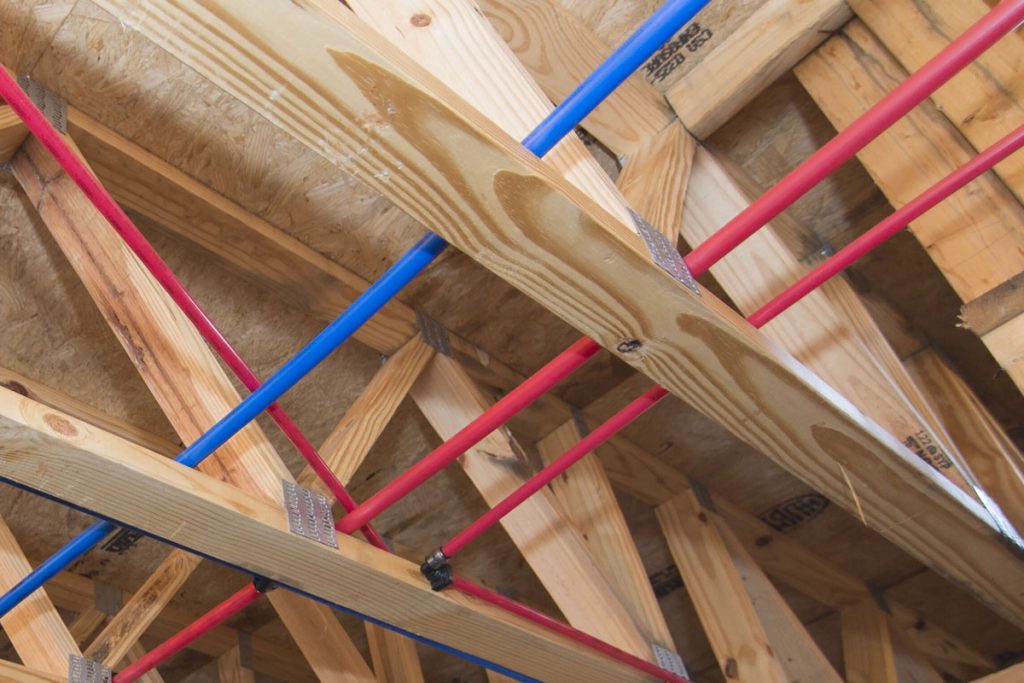
PEX is extremely flexible, making it easier to route through walls and tight spaces compared to rigid copper pipe. This flexibility reduces the number of connection parts needed, which helps minimise potential leak points. From a performance perspective, fewer bends and connections can also improve flow efficiency.
3. Freeze resistance
In cold climates, PEX vs copper freezing performance is another major deciding factor. Copper pipes can crack or burst when water freezes and expands inside them. PEX, on the other hand, can expand slightly and return to its original shape once thawed, greatly reducing the risk of leaks and water damage.
4. Better Durability
When evaluating PEX vs copper lifespan, both materials perform well, but PEX offers better resistance to corrosion and mineral build-up. Copper can corrode over time due to water chemistry, while PEX is immune to corrosion, scale buildup, and electrolysis. Modern PEX is designed for long-term use in potable water systems and has proven to be reliable in both residential and commercial plumbing applications.
Methods of Connecting PEX to Copper
When connecting PEX to copper, it’s important to understand that the connection method depends on the type of PEX system being used, not just the fitting type. In residential plumbing, there are three widely accepted methods for creating a secure copper pipe to PEX transition: PEX crimp, PEX expansion, and push-fit connections.
PEX Crimp or Cinch Clamp Connection
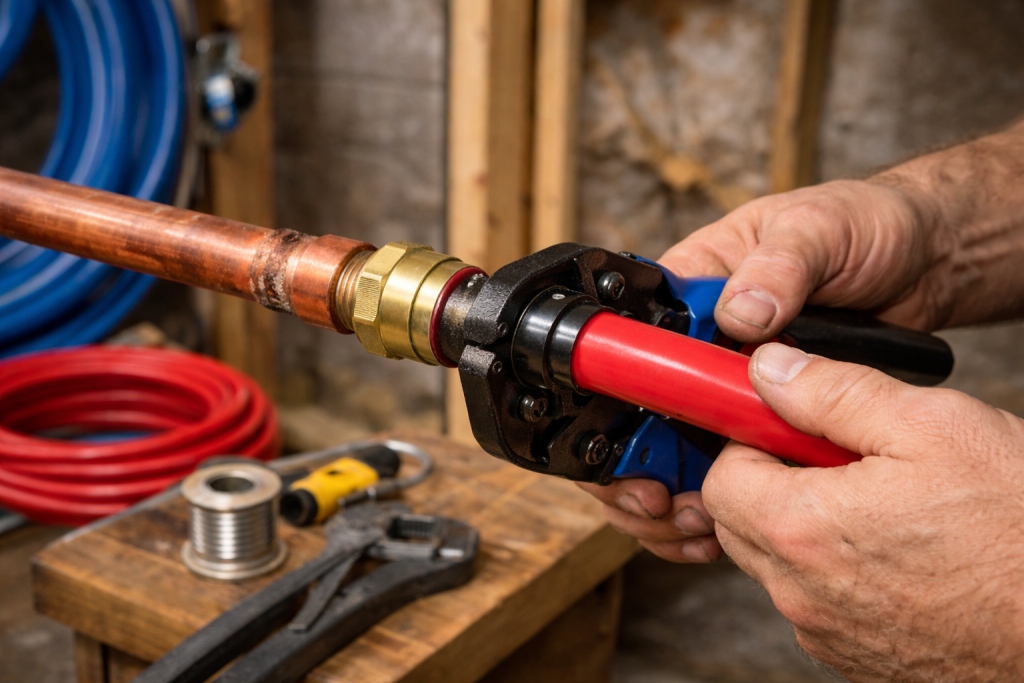
The PEX crimp connection method is one of the most common ways to connect PEX and copper tubing, especially in DIY and residential plumbing projects. This method is typically used with PEX-B tubing, but can also work with certain PEX-A systems when permitted by the manufacturer.
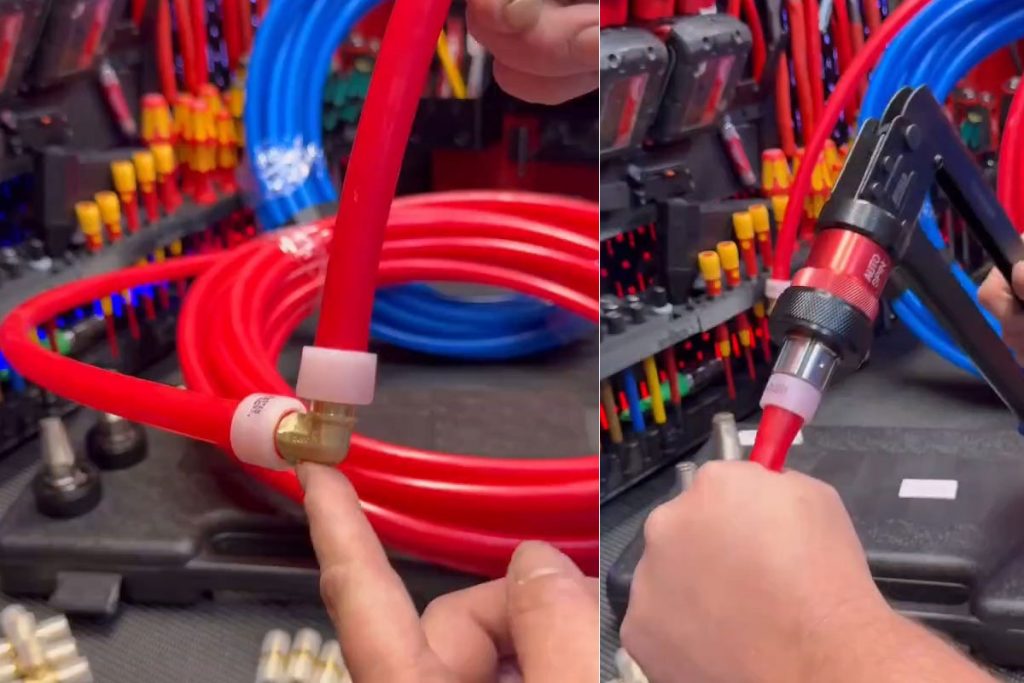
Crimp ring and cinch clamp fittings both consist of a band of metal that slips over the PEX pipe. After positioning in place, a crimp or cinch tool is used to compress the ring or clamp evenly around the tubing, locking it tightly onto the fitting. Depending on the transition fitting being used, the copper side of the fitting is either soldered onto the pipe or threaded onto an existing copper fitting or valve. This method is often chosen when homeowners are swapping copper pipes to PEX gradually and want a reliable, cost-effective solution.
PEX Expansion Connection
Choose the PEX expansion method if you want to connect the tubing without rings or clamps. This method is designed specifically for PEX-A tubing and is often considered the most professional-grade way to connect PEX to copper. This method relies on the pressure created by the natural elasticity of PEX-A material rather than mechanical compression.
The copper pipe should be cut cleanly and deburred before connecting to the copper side of a PEX-A expansion transition fitting, either by soldering or threading. When connecting PEX-A pipes with PEX expansion fittings, a specific expansion tool is required so the tubing and ring are expanded evenly to create a temporary opening. The expanded PEX should immediately slide over the expansion fitting until it reaches the shoulder, and within seconds, the tubing shall begin to contract around the fitting to create a tight and permanent seal.
Because of its reliability, the expansion method is commonly used where plumbing system lifespan and durability are major considerations.
Push-Fit Connection
The push-fit method offers the fastest way to connect copper pipe to PEX without a specific tool, making it popular for repairs, temporary connections or situations where tools aren’t available. Although push-fit fittings don’t require any special tools to attach, they are relatively more expensive compared with other types of fittings used to connect PEX to copper.
The ends of both copper pipe and PEX pipes should be deburred and cleaned, as rough edges can damage the internal of push-fit fittings. After marking the pipes with insertion depth lines to ensure they are fully seated, you can simply insert the pipes into the fittings. While push-fit fittings are more expensive, they’re especially useful for quick repairs or temporary connections when transitioning PEX to copper.
Common Mistakes to Avoid When Connecting Copper to PEX
Even though PEX to copper connections are pretty straightforward, a few mistakes can still cause leaks or premature failure. The most commonly seen one is using the wrong fitting type. For example, PEX-A requires expansion fittings, while crimp fittings are typically designed for PEX-B pipes.
Skipping proper pipe preparation is another frequent issue. Both copper pipe and PEX pipe have to be cut, deburred, and cleaned to ensure a reliable seal, especially when using push-fit fittings with internal O-rings. Improper tool use can also cause potential leaks, such as uneven crimping or failing to verify connections with a gauge.
In most cases, problems with PEX to copper connections don’t come from the fittings or pipes themselves, but from small installation oversights. By avoiding the common mistakes mentioned above, you can ensure a secure, long-lasting connection that performs reliably under everyday water pressure and temperature changes.
Conclusion
Transitioning from copper to PEX has become a practical and reliable choice for modern plumbing systems. Whether you’re completing a small repair or fully swapping copper pipes to PEX, understanding the differences between materials and choosing the right connection method is key to long-term performance.
Selecting the correct installation methods for your project, such as crimp, expansion, or push-fit connections, and avoiding common installation mistakes will help you create a secure and leak-free copper to PEX transition. If you’re planning a plumbing project, PlumbingSell offers a wide selection of PEX tubing, copper fittings, and transition connectors to help you get the job done right—from start to finish.