When you need to add or replace plumbing lines in your home, knowing how to join two pipes of the same size is one of the most basic but important parts of plumbing work. Whether you are repairing a water line, extending a pipe run, or planning a new installation, the right fitting helps create a secure and leak-resistant connection.
In most cases, the fitting used to connect two pipes of the same size is called a coupling. Some fittings need to be soldered, some might just take a wrench or pliers, several require specific crimping or expanding tools, and there are also newer styles that simply push together. The best choice depends on the pipe material, connection method and whether the pipes are used for water supply, drainage, gas or mechanical systems. At PlumbingSell, you can find a wide selection of pipe fittings, couplings, adapters, reducers, valves, and plumbing supplies for different pipe materials and connection types.
What are the Different Types of Pipes?
Different plumbing systems use different pipe materials. Each type of pipe has its own fitting options, installation method and common application. Understanding different pipe materials is important as it helps you to choose the right type of fitting that works for your project.
PEX pipe
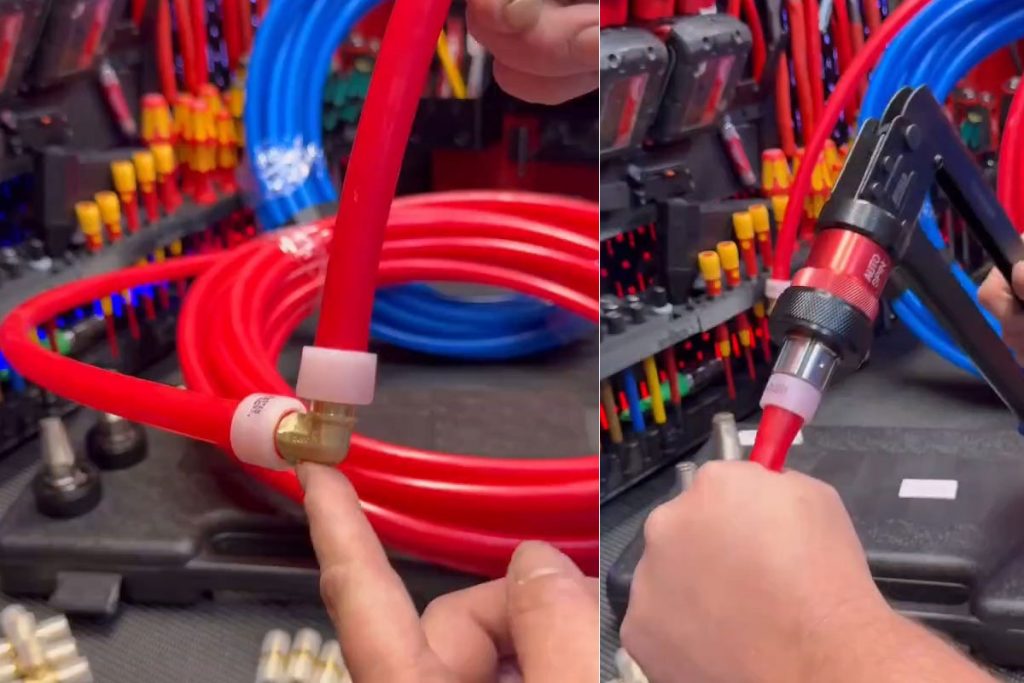
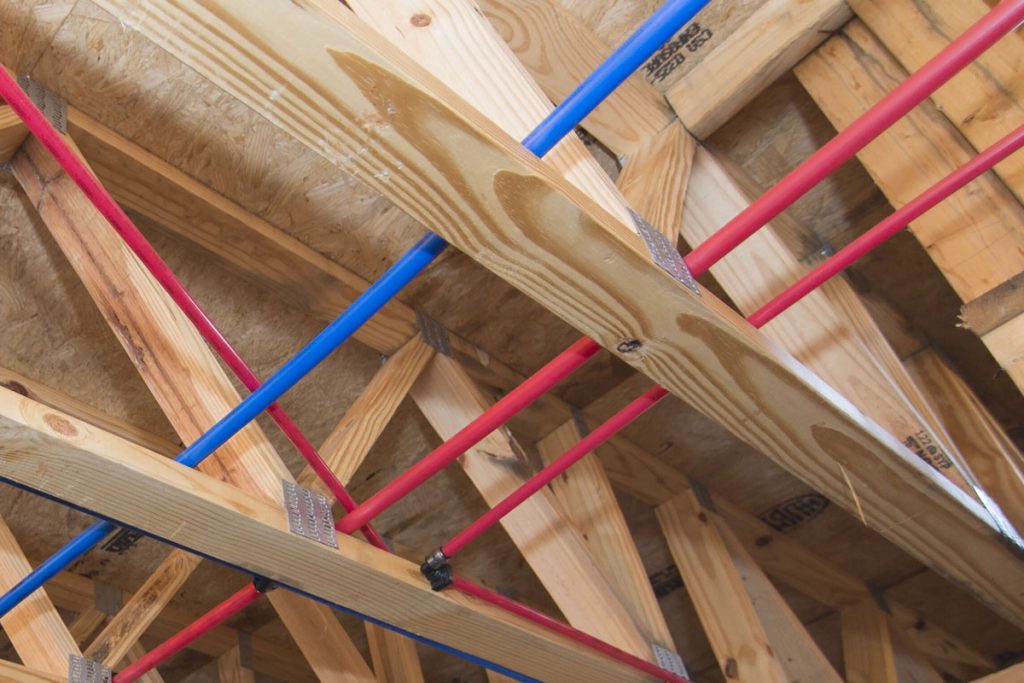
PEX pipe is a flexible plastic tubing widely used in modern residential water supply systems. Its flexibility allows long route runs with fewer fittings, reducing potential leak points and simplifying the installation process. This has made them the perfect choice for tight spaces where rigid pipes might be challenging to fit. PEX is also resistant to corrosion and freezing damage compared to rigid piping materials. It is commonly connected using crimp, clamp, expansion or push-to-connect fittings.
Copper pipe
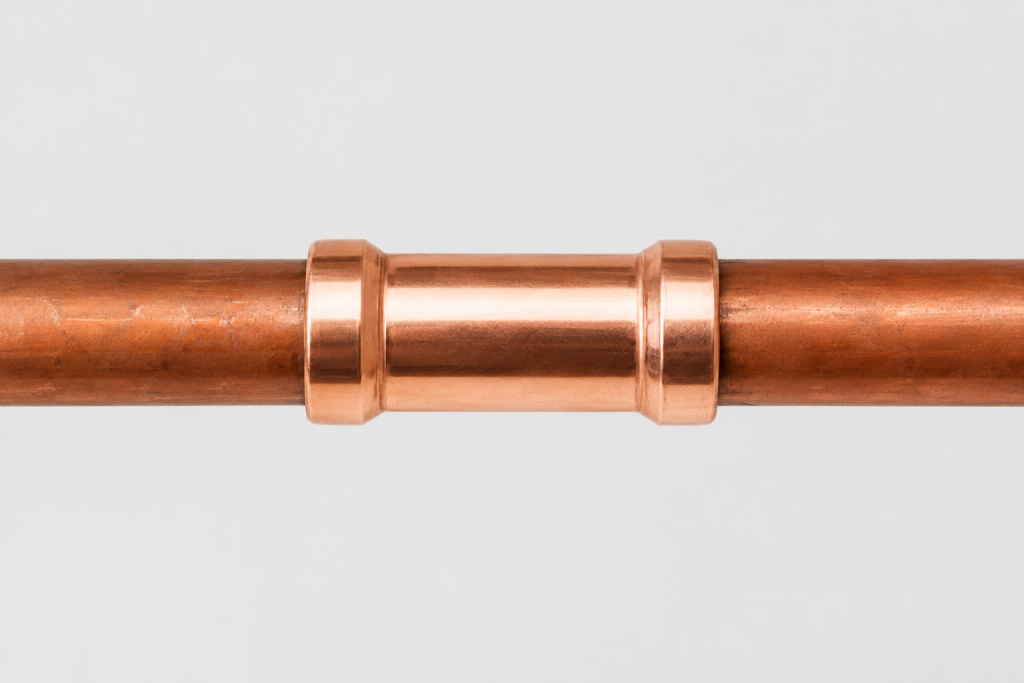
Copper pipes have been a trusted choice for water supply lines for both residential and commercial purposes for decades due to their strength, reliability, and long service life. Their resistance to rust and corrosion means that they can maintain water quality and can handle both hot and cold water applications. It can be connected using soldered joints, press fittings, compression fittings or push-fit connectors.
CPVC pipe
CPVC pipes are designed specifically to handle high temperatures. They are durable and offer excellent chemical resistance, making them suitable for various plumbing needs. It is commonly used for both hot and cold potable water supply systems in homes and commercial buildings. It is typically joined using CPVC-specific solvent cement and fittings.
Steel pipe
Steel pipes are commonly used in mechanical, industrial, gas distribution and certain water supply systems. They are robust and long-lasting, which makes them an ideal choice for these kinds of systems and gas lines. Common steel pipe connection types include threaded, welded and flanged connections. While steel provides excellent durability, some types may require corrosion protection or maintenance in certain environments.
Types of Pipe Fittings Connection
Pipe fittings are essential components in any plumbing or piping system, and are used to connect in different ways depending on the pipe material and system requirements. Choosing the correct connection type is just as important as choosing the right fitting shape, as the connection method affects installation time, durability and overall system performance.
Threaded
The threaded connection method is among the most commonly used connection types with steel, brass and some plastic fittings. Male threads and female threads are tightened together, usually with thread sealant tape. The most popular thread standard is NPT, also known as National Pipe Thread. Threaded joints are popular because they can often be disassembled for repairs or modifications.
Crimp or clamp
The crimp and clamp connection method is normally used for PEX pipes. A metal crimp or clamp ring is tightened around the pipe to hold the connection in place. Crimp systems typically use copper rings, while clamp systems use stainless steel clamps. Both methods provide a reliable and cost-effective connection for residential plumbing, radiant heating and water distribution systems.
Expansion
The expansion connection method is used with PEX-A systems. The pipe end is expanded with the expansion tool, then it shrinks back around the fitting. This creates a strong connection that becomes tighter as the pipe returns to its original size. Expansion fittings often provide quick installation and excellent flow performance.
Push-fit
Push-fit connection is used for quick repairs and simple installation. Many push-to-connect fittings can connect copper, PEX and CPVC pipes, depending on the product specifications. Internal gripping teeth and sealing rings hold the pipe securely in place without soldering, gluing or specialised tools. These fittings are especially useful for emergency repairs or where access is limited.
Solvent Weld
Solvent-weld connections are commonly used for PVC, CPVC and ABS pipes. The pipe and fitting are joined with primer and solvent cement, creating a permanent bond. The solvent softens the surfaces, allowing them to fuse as the cement cures. This method is widely used in residential water supply, drainage and vent systems because it creates a strong, leak-resistant joint without the need for mechanical fasteners.
Soldered
The soldered connection method is normally used with copper pipe. The joint is heated, and solder is applied to seal the connection. When properly installed, solder joints provide excellent strength and long-term reliability. This connection method has been used for decades in residential and commercial plumbing systems and is valued for its ability to create durable, leak-free water supply lines.
How to Join Two Pipes of the Same Size
To join two pipes of the same size, you usually need a straight coupling that matches the pipe material and pipe size. The general process is simple. First, confirm that both pipes and fittings are the same size and that the pipes have to be made from the same or compatible materials. Then choose the correct coupling type for that pipe system.
Next, cut the pipe ends squarely and remove burrs, dust or rough edges. A clean pipe end helps the fitting seat properly and reduces the chance of leaks. After preparing the pipes, install the coupling based on the chosen connection methods. PVC and CPVC couplings usually require solvent cement. Copper couplings may require soldering or pressing tools. PEX couplings usually require crimp, clamp or expansion tools.
Once the fitting is installed, test the joint before turning the water supply back on directly. For water supply lines, turn the water on slowly and check for leaks. For drainage lines, run water through the pipe and inspect the connection.
Conclusion
Joining two pipes of the same size may seem simple, but choosing the correct fitting and connection method is essential for a safe, clean and long-lasting plumbing system. In most cases, a straight coupling is the standard fitting used to connect two pipes of the same diameter, but the exact type of coupling depends on the pipe material and the connection type that works for your chosen system.
Whether you are working on a small repair, a home renovation or a larger plumbing installation, always check the pipe size, material and connection requirements before starting your project. Having the right fittings on hand makes the job much easier. At PlumbingSell, you can find a wide range of couplings, adapters, valves and other plumbing supplies designed for various applications, helping you complete your project with confidence.