
During the winter season, the temperature outside is typically at its coldest, making it more likely for your home’s pipes to freeze or burst. Insulating your plumbing pipes is a simple yet effective way to enhance your energy efficiency and safeguard your plumbing system from damage. Proper pipe insulation plays a crucial role in maintaining a reliable plumbing system. This is especially important for homes with exposed outdoor or unheated plumbing areas such as basements or exterior walls.
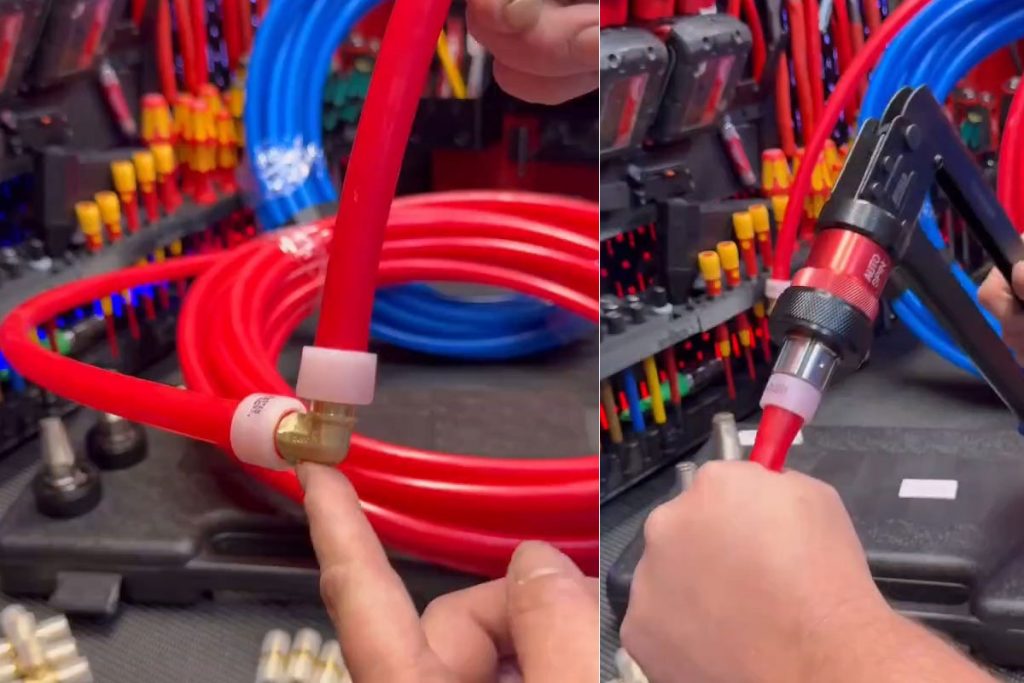
Choosing the right pipe insulation options, from foam sleeves to pipe insulation wrap and tape, depends on various factors. In this guide, we’ll introduce the different types of PEX pipes, basics of pipe insulation, explain why it matters and break down the different insulation options so you can choose the best solution for your project with confidence. Check out PlumbingSell to get the qualified freeze-resistant PEX pipes and essential fittings for your project.
Table of Contents
What is pipe insulation?
Pipe insulation is a protective layer installed around plumbing pipes to reduce heat transfer, prevent heat loss and stop them from freezing. By insulating the hot water pipes, the heat loss can be significantly reduced and improve the overall system efficiency, while insulating cold water pipes helps prevent them from freezing in unconditioned spaces. The pipe insulation is typically made from foam, fibreglass or rubber and comes in various sizes and thicknesses to be used for different types of pipes.
In plumbing projects that use PEX piping, insulation is often paired with PEX pipes and fittings in areas such as basements, crawl spaces and exterior walls. While PEX material itself is more flexible and freeze-resistant compared with other materials like copper or CPVC, especially PEX-A pipes, it is still recommended to protect water supply lines exposed to freezing conditions. It is especially crucial for houses in extreme cold areas to prevent potential plumbing system damage in winter.
Why Does Insulating Your Pipes Matter?
Whether your home is using a modern PEX system or a traditional copper system, insulation serves as a critical component against cold temperatures and external damage. If you insulate your pipes properly, it will help to keep the water inside from freezing and prevent a pipe burst.
Freeze Protection for PEX Pipes and Fittings
When the weather outside gets cold, the pipes in your plumbing system get cold as well. PEX systems are becoming more popular in residential plumbing because of their flexibility, durability and better freeze tolerance than rigid materials. When water inside a pipe freezes, PEX pipes can temporarily expand to accommodate ice formation. However, this does not mean PEX plumbing systems are immune to freeze damage.
Both PEX-A and PEX-B pipes are considered freeze-resistant and are capable of surviving limited freezing events. PEX fittings, manifold, valves and other connection points remain vulnerable. These components are typically made from brass, copper or plastic, which do not expand in the same way as PEX tubing. Insulating PEX pipes helps protect the connection parts, reduces heat loss and maintains the water inside above freezing temperatures.
By combining properly rated PEX pipes, compatible PEX fittings and appropriate insulation practices, the risk of freeze-related plumbing failures can be significantly reduced–especially in climates where extreme cold weather is common.
Reduce Heat Loss and Improve Energy Efficiency
Reducing heat loss is one of the most practical benefits of insulating a PEX plumbing system. Most newer residential plumbing projects have a combination of hot and cold water lines. When the hot water is transferred within the uninsulated lines in the piping system, the heat is transferred as well. Over time, this heat loss increases energy consumption and places additional demand on the water heater.
By insulating hot water pipes, you can reduce heat loss by up to 25-45%, allowing water to reach fixtures at the desired temperature faster. This directly improves the efficiency of residential plumbing systems, especially those built with longer PEX pipe runs commonly found in modern homes. Insulating the pipes also helps protect PEX fittings, valves and other connection parts from repeated thermal cycling. This is important because temperature fluctuations can cause long-term material stress at connection points and eventually lead to leakages.
What Are the Different Pipe Insulation Options?
When insulating plumbing systems–especially those built with PEX pipes and fittings, homeowners prefer foam insulation, insulation tape or pipe insulation wrap. Each option serves a different purpose and is commonly used together.
Foam Pipe Insulation
This is the most widely used insulation material for residential plumbing as it is user-friendly, lightweight and flexible. It is an effective method for reducing heat loss in hot water pipes and preventing freezing in cold environments. Foam insulation is commonly used on straight pipe runs and is available in a wide range of diameters. For homes with PEX systems, foam sleeves are often installed after the PEX pipes and fittings are already in place.
Pipe Insulation Tape
Many experts recommend using pipe insulation tape for pipes that are in crawl spaces, such as basements and corner areas. Therefore, it is commonly used to seal joints, elbows and fittings where foam sleeves cannot fully cover the pipes. The best tape for foam pipe insulation is typically a foil or foam-backed insulation tape that seals seams tightly. This is especially important at PEX fittings, where small gaps can lead to heat loss or condensation.
Pipe Insulation Wrap
If you are looking for a more flexible insulation option, pipe insulation wrap will be your top choice. When pipes have irregular shapes or are exposed to extreme temperatures, fibreglass wrap insulation can help provide superior protection for pipes. Wrap insulation is frequently combined with foam sleeves to provide full coverage for both indoor and outdoor piping systems.
To sum up, the most effective way to insulate PEX plumbing systems is by combining foam insulation, insulation tape, and pipe insulation wrap. By using the proper type of insulation together, they help reduce heat loss, prevent freezing, and support the long-term performance of PEX pipes and fittings.
Conclusion
Insulating your plumbing pipes is a simple yet effective way to protect your home during colder months, improve energy efficiency, and extend the lifespan of your plumbing system. While modern PEX pipes offer better flexibility and freeze resistance than traditional materials, proper insulation is still essential. Especially for exposed pipes, unheated spaces and connection points where pipes and fittings are most vulnerable.
By understanding how pipe insulation works and choosing the proper type for your project, you can significantly reduce heat loss, lower energy usage, and minimise the risk of freeze-related damage. If you are planning a new installation or upgrading an existing system, starting with durable PEX pipes and fittings is key. Discover a wide selection of PEX plumbing solutions at PlumbingSell to support efficient and cold weather ready systmes built to last.