A cracked water line is a common plumbing problem that can lead to issues like water damage or pressure loss if not addressed properly. PEX tubing is widely used in both residential and commercial plumbing, with popular options ranging from 1/2 PEX pipe to larger sizes like 1 to 2 PEX pipe. As with any other type of pipes, PEX pipes are not prone to leaking. Most of the pipe leaks occur at connection spots, which are normally caused by incorrect installation or aging fittings.
In order to find out the best solution for a leaking or cracked PEX water line, it is important to get familiar with the potential causes. In this guide, we’ll include information like how to identify leaks and cracks, tips for avoiding leakages when installing PEX pipes and how to choose the right PEX pipes and fittings for your project. Check out PlumbingSell now for a wide range of PEX products, such as 1/2 pex pipe fittings and more.
Table of Contents
Identifying and Locating Leaks on the Water Line
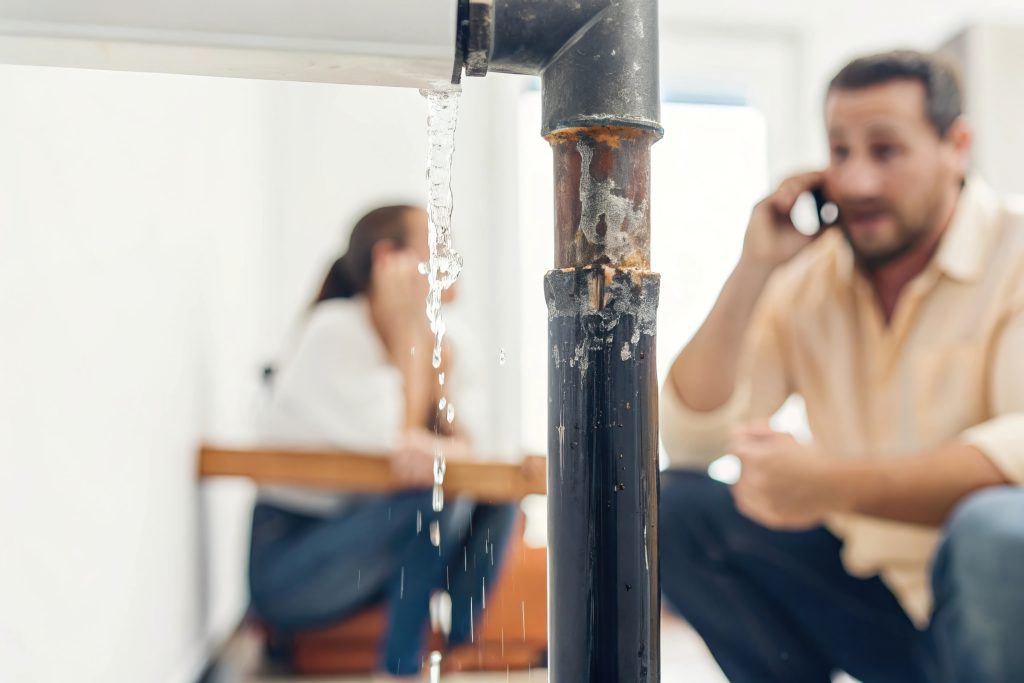
The most critical step before any repair on a water line is to identify the exact location of a leak in a PEX water line. PEX plumbing systems for residential projects are commonly installed using flexible tubing such as 1/2 PEX pipe and 3/4 PEX pipe. Finding a leak in those pipes can be tricky since pipes are often hidden, which means leaks may not always be immediately visible. Early warning signs of leaks on water lines often include a sudden drop in water pressure, unexplained increases in water bills or damp spots on walls or ceilings.
Start by inspecting accessible and visible areas, especially joints and connection points where pipe fittings are used, as a large amount of the leakages are caused by improper installations. Look for wet spots, stains or mould growth near fittings, connections or potential damaged areas. If you suspect a leak but cannot visually locate it, conduct a pressure test to identify a more precise location.
If the leak is hidden behind walls or under floors, shutting off all water-using fixtures and monitoring the water meter can help confirm an active leak. Once identified, measure the damaged section to determine whether a short replacement—like a 1/2 PEX pipe 10 ft piece—or a larger section of PEX tubing is required.
Can You Seal a Cracked PEX Pipe?
The short answer is yes—but only temporarily. If the leak is caused by an improperly crimped connection, you can simply seal the cracked PEX pipe with tape, glue or a PEX crimp tool and a PEX ring gauge. However, these solutions are not designed to withstand the long-term pressure and temperature fluctuations of a properly working plumbing system.
As PEX pipe expands and contracts as water temperature changes, after it cracks, a simple seal is not recommended for long-term use. Over time, the crack can expand and could lead to sudden failure and water damage. This is especially true for commonly used residential sizes such as 1/2 PEX, where water pressure is constant, and fittings are frequently stressed.
How to avoid leaks when installing PEX?
Preventing leaks during PEX installation starts long before water is turned on. While PEX systems are known for their durability and flexibility, improper installation can still cause failure in the system—especially in commonly used sizes like 1/2 PEX pipe and extended runs such as 3/4 PEX pipe. Following best practices at each stage of installation can significantly reduce the risk of future leaks.
Use the Correct PEX Pipe Size and Length
Leaks most commonly occur at connection points in most PEX piping systems. This has made the quality of 1/2 PEX pipe fittings just as important as the tubing itself. It is essential for you to choose the right size and approximate length of PEX pipes for your project at the early stage of design.
When the pipe diameter does not match the system’s flow and pressure requirements, it might place unnecessary stress on both the tubing and the fittings—significantly increasing the risk of leaks over time. Pipe length also plays an important role. Longer runs tend to experience more expansion and contraction as water temperature changes, and if the system is not sized correctly, this kind of movement can pull on fittings and couplings and weaken seals over time.
In short, correct pipe sizing and thoughtful length selection work together to protect fittings, reduce pressure stress, and maintain stable connections—making them essential for leak-free PEX installations. Check out this article to learn more about how to pick the proper PEX pipe.
Install Fittings Properly and Secure Connections
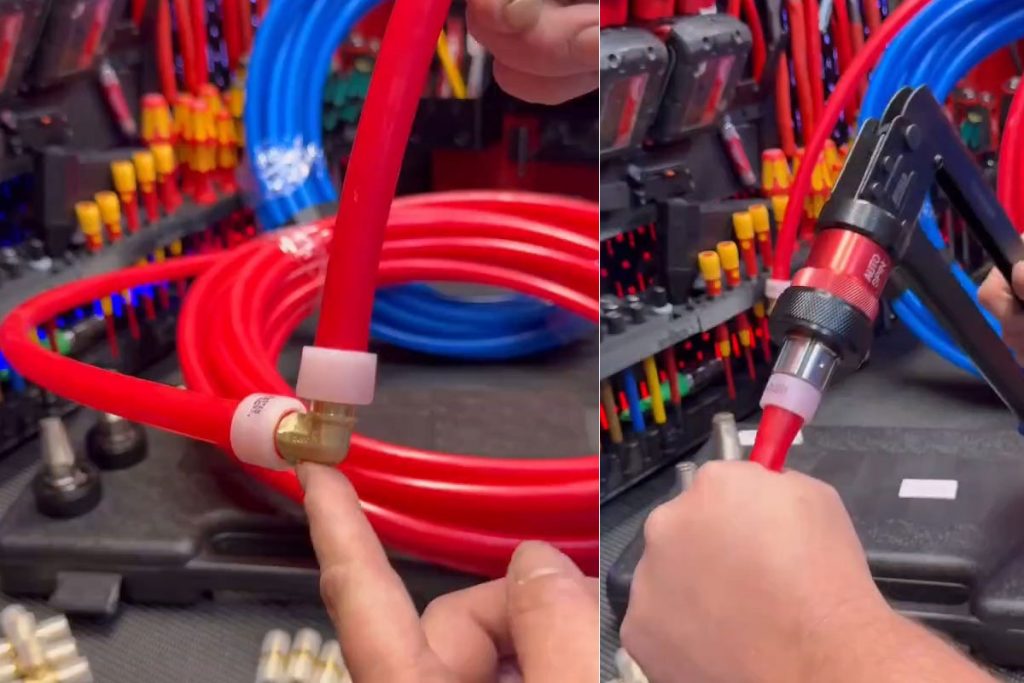
Even the best materials can fail if not installed properly. In fact, improper installation is one of the most common causes of PEX leaks, especially at joints where fittings are used repeatedly throughout a plumbing system. PEX fittings installation require precision process and the right tools, which is where many problems begin.
The first step is making a clean, square cut with the PEX pipe cutter and removing burrs before inserting fittings. Angled or jagged cuts might create small gaps between the pipe and fittings that lead to slow leaks under pressure.
Next, ensure the pipe is fully inserted into the fitting before applying crimp or clamp rings. Partial insertion reduces frip strength and compromises the seal. When positioning the rings, the position has to be accurate as well—typically a short distance from the end of the pipe, directly over the fitting barbs. Rings placed too close to the edge or too far back may not apply even pressure, increasing the risk of leaks.
After securing the connection, it is crucial to perform a visual inspection and a gentle pull test if possible. This step is to test if the fitting is locked in place. Always take some time to double-check connections for installation in concealed areas to prevent costly repairs in the future.
Conclusion
Sealing a cracked PEX water line isn’t just about stopping a leak—it’s about protecting the entire plumbing system from future failure. While you could fix the leaks temporarily with tape or sealants in the short term, they are not reliable long-term solutions, especially once a PEX pipe has cracked. In most cases, the most effective way to fix the leakage is to identify the damaged section and repair it properly using the correct PEX pipe and fittings.
As covered in this guide, preventing leaks should start from the early stage of PEX system installation. Make sure to use the correct PEX pipe and fittings, as well as install them properly could help you reduce the possibility of a cracked PEX water line. For reliable repairs and professional-grade solutions, explore the full range of PEX pipes, fittings, and installation tools available at PlumbingSell to ensure your plumbing system is built to last.