When planning or upgrading a plumbing system, choosing the right plumbing material for your home is crucial for both safety and longevity concerns. Over the years, homeowners have relied on copper, PVC, but with the rise of PEX pipe, many new constructions or full remodelling have switched to PEX systems. With its strength, flexibility, cost-efficiency and compatibility with a wide range of fittings, PEX pipe continues to gain popularity. While PEX pipes may seem like the perfect solution for most residential plumbing systems, it is still crucial to consider their pros and cons to make the best choice for your project.
In this guide, we’ll help you understand more about both the benefits and drawbacks of PEX pipe to make the smart choice for your plumbing project. At PlumbingSell, you’ll find a wide range of supplies—from 3/4 PEX pipes to various fittings—all designed to provide long-term reliability and support a smooth installation process.
Table of Contents
What Is PEX Piping?
PEX piping, short for cross-linked polyethylene piping, is a flexible and highly durable plumbing material designed for residential and commercial water supply systems. Unlike traditional materials such as copper, PVC or CPVC, PEX can be bent easily and requires fewer connection points, making installation faster and more efficient. There are 3 common types of PEX pipes, PEX-A, PEX-B and PEX-C. Among these types, PEX-A is the most flexible one, which makes it the best option for tight spaces. Learn more about the differences among different types of PEX pipes here.
PEX was initially designed to replace traditional plumbing materials like copper and PVC. It was made from a type of plastic material called cross-linked polyethylene, which makes it more flexible, lightweight, and corrosion-resistant.
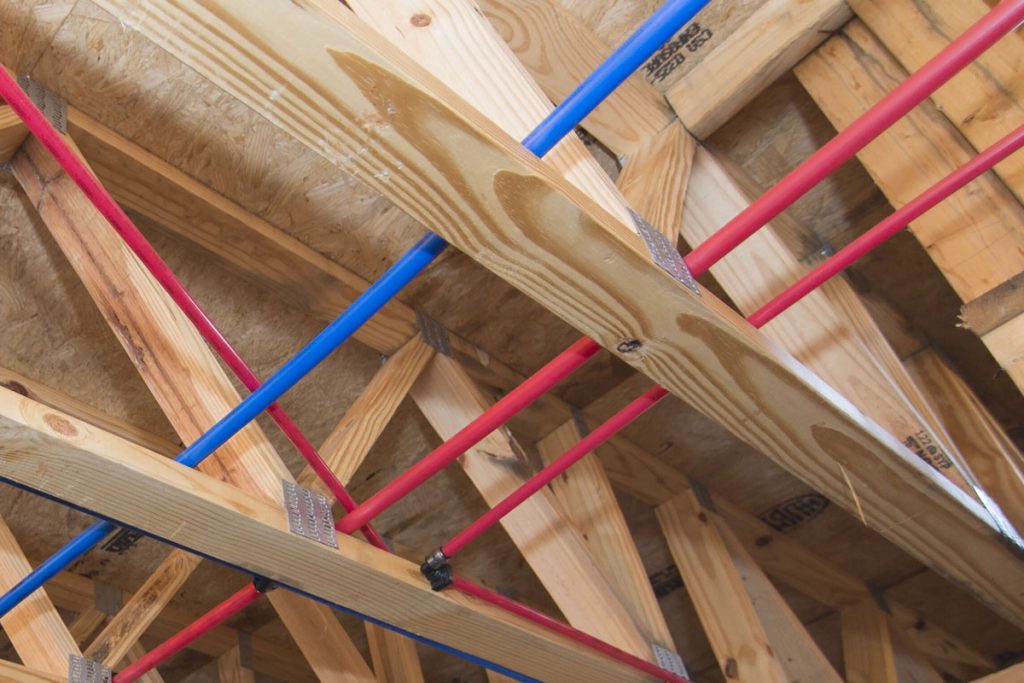
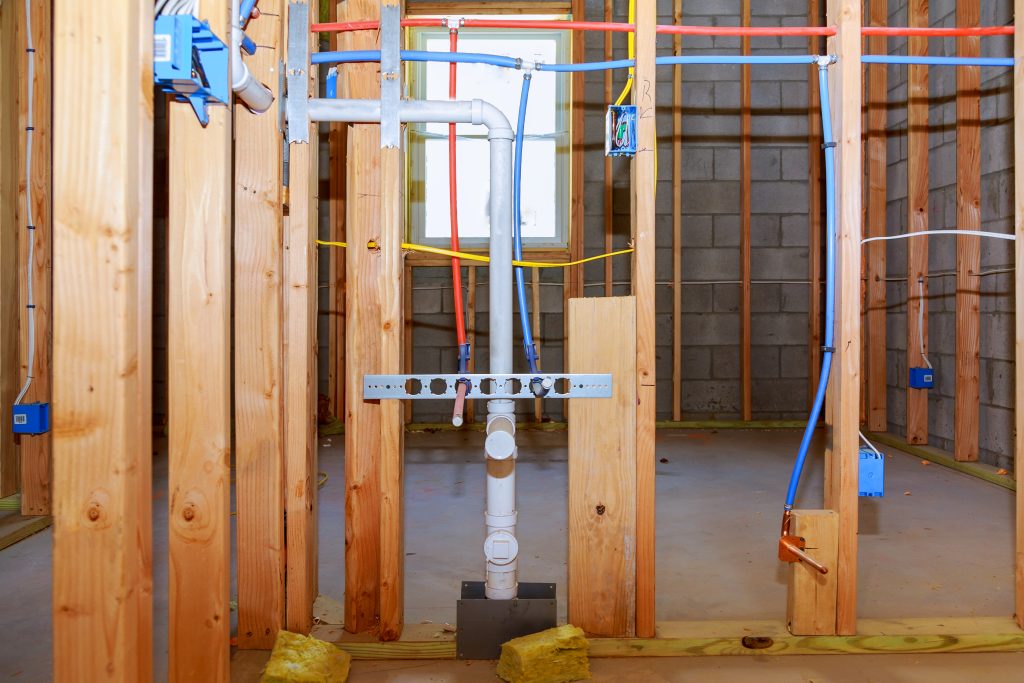
In residential plumbing, PEX are commonly seen in applications such as water supply lines, radiant heating systems and fire suppression systems. Due to their flexibility, they are capable of running in long uninterrupted lengths with fewer connection joints, which makes them easy to install.
Why PEX Pipe Is Popular in Modern Plumbing
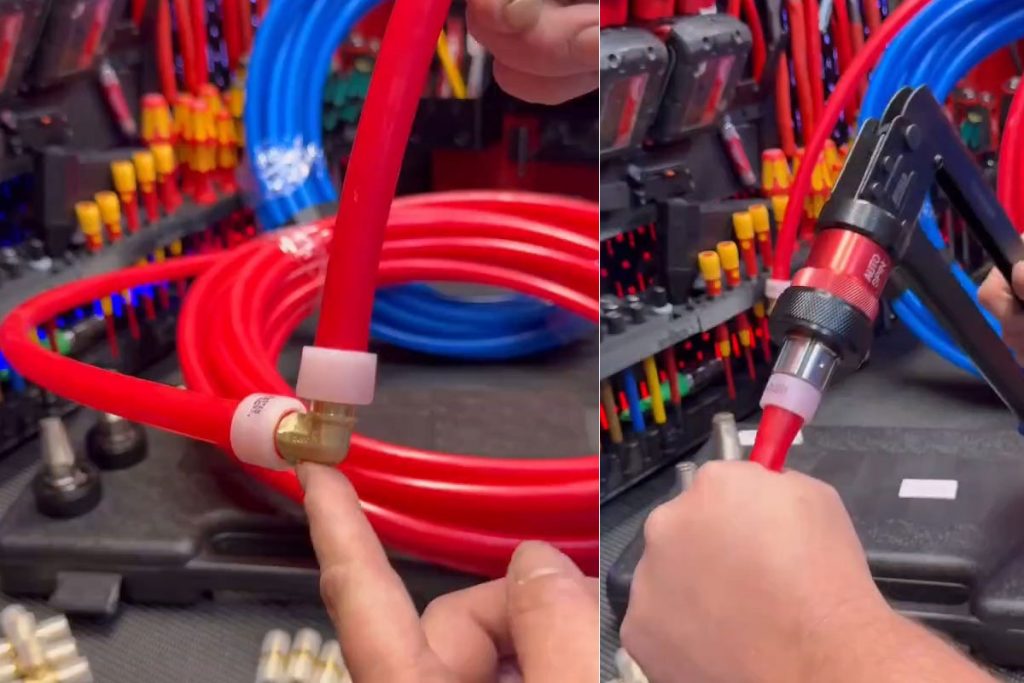
PEX has quickly become one of the most preferred materials in residential and commercial plumbing because of its flexibility, durability and installation efficiency. One of the biggest advantages is their ease of installation. Since the material can bend around corners and require fewer fittings for connection, it reduces potential leak points and shortens installation difficulty and time required. When installing PEX pipes, the tools used are not hard to handle either. For PEX-B pipes, after cutting the pipes with PEX cutters, simply use pex pipe crimping tool to install fittings easily.
Another reason PEX stands out is its resilience. It doesn’t corrode, rust or experience mineral buildup, which are common issues with metal plumbing systems. PEX can also handle temperature swings and can handle certain levels of high temperature, making it suitable for both hot and cold water lines.
PEX pipes are also compatible with a wide range of connection styles. Homeowners can choose from press, crimp, clamp or expansion systems depending on their preference and project needs. With various types of PEX fittings, such as transition fittings, PEX pipes can also work with existing plumbing parts easily.
PEX pipes are available in various sizes, with 3/4 PEX pipe being one of the most popular sizes for residential water distribution, as it maintains strong water flow to multiple fixtures. There are also common sizes 1/2 and 1 inch PEX pipes, with a wide range of fittings available. PEX pipes are adaptable to different installation requirements.
The Benefits of PEX Plumbing
PEX plumbing stands out among different plumbing materials because it offers several advantages that older materials like copper and PVC simply can’t provide. PEX plumbing delivers exceptional value and continues to prove why it’s the preferred solution in modern residential plumbing.
Flexibility and Easy Installation
One of the biggest benefits of PEX pipe is its flexibility. As the tubing can bend and curve around walls, corners and tight spaces, fewer fittings are required during installation. Instead of using multiple types of fittings, sometimes only several elbow fittings and tees are needed. This reduces installation complexity and lowers the chance of leaks.
Durability and Corrosion Resistance
Unlike copper or other metal materials, PEX does not rust, corrode or scale over time. Hard water, acidic conditions or mineral content won’t damage PEX pipes, making them a long-lasting plumbing solution. The cross-linked polyethylene structure also helps the pipes to withstand pressure and temperature fluctuations without cracking.
Cost-Effective Plumbing Solution
PEX is generally more affordable than copper, not only in materials but also the labor costs. Even when considering fittings and accessories, the PEX pipe fittings price range is often significantly lower than metal alternatives. With fewer required joints and quicker installation, homeowners can save on both product cost and labor hours.
Freeze Resistance
For those who live in colder environments, traditional metal pipes are more likely to burst when frozen. PEX tubing can expand and contract, especially PEX-A tubing, which has reduced the risk of damage during extreme temperature swings. With less possibility of pipe bursting, it helps prevent expensive repairs and serious water damage.
Are There Downsides to PEX Pipe?
While PEX plumbing offers many benefits, there are notable potential limitations that still need to be considered. Being aware of these downsides helps homeowners make better decisions and plan installations that last.
UV Light Degradation
One of the most notable limitations of PEX pipe is its sensitivity to UV exposure, as it is not designed for direct exposure to sunlight. Prolonged UV contact can weaken the material over time, causing it to crack or deteriorate. This means PEX pipe should not be installed outdoors or secured in areas exposed to direct sunlight. If PEX pipe has to be used outdoors, it should be shielded appropriately and monitored regularly to ensure it is in good condition.
Cannot Be Recycled as Easily as Copper
PEX are made from cross-linked polyethylene, which cannot be easily melted down or reprocessed, which means that it can’t be recycled easily. Compared with copper pipes, which can be fully recycled and reused, PEX pipes are less environmentally friendly. Although its low maintenance and easy installation may offset this concern for many homeowners, it remains a factor to notice.
Conclusion
In most cases, PEX pipes are not bad for housing plumbing. PEX has been proven to be a reliable, cost-effective, and highly efficient plumbing solution for modern homes. Its flexibility, ease of installation, resistance to corrosion and ability to expand in freezing conditions make it a suitable alternative to traditional materials like copper or PVC. However, PEX isn’t perfect; it still has limitations, such as UV sensitivity and limited recyclability. Understanding both the strengths and limitations of PEX pipes ensures homeowners and contractors make better decisions when planning a plumbing project.
If you’re considering upgrading your plumbing system or starting new construction, selecting the right pipe type and compatible fittings will make all the difference. At PlumbingSell, we offer a wide selection of PEX pipes, tools, and fittings—including popular sizes like 3/4 PEX pipe—so you can complete your project with confidence and long-lasting results.